

James River Blog
Construction Equipment Rental vs. Buying: How to Choose the Right Option for Your Next Job
Renting construction equipment makes sense when you need flexibility, supplemental fleet capacity, specialized machines, or short-term access to equipment without the long-term costs of ownership. In this guide, Kell Cleeland from James River Equipment's Asheville branch explains how contractors can determine whether renting or buying is the smarter business decision and what to look for in a dependable equipment rental partner.
Whether you're facing a fleet shortage, pursuing a larger project, or trying to minimize downtime, the right rental strategy can help keep your jobsite productive while protecting your bottom line.
Why Do Contractors Choose to Rent Construction Equipment?
Every project comes with different equipment demands. While ownership remains the right choice for machines used daily, rental equipment can provide a cost-effective solution when workloads fluctuate.
At James River Equipment, we've worked alongside contractors, site developers, utility crews, municipalities, and construction professionals for decades. Our equipment specialists regularly help customers evaluate whether a rental or purchase will deliver the best return on investment for their unique situation.
Common reasons contractors choose to rent include:
- Temporary increases in workload
- Seasonal demand fluctuations
- Specialized projects requiring unique equipment
- Testing equipment before purchasing
- Replacing machines undergoing maintenance
- Expanding fleet capacity without major capital investment
Renting allows companies to remain flexible without committing to long-term ownership costs.
When Does It Make More Sense to Rent Instead of Buy?
The answer depends on how often you'll use the equipment and how long you'll need it.
Short-Term Projects
If a machine is only necessary for a project lasting a few days, weeks, or months, renting often offers the most economical solution.
Instead of investing significant capital into equipment that may sit idle after completion, rental equipment provides access exactly when it's needed.
Specialized Applications
Certain projects require equipment that many contractors don't regularly keep in their fleet.
Examples include:
- Larger excavators
- Wheel loaders
- Compact track loaders for specific terrain conditions
- Specialty attachments
- Supplemental site development equipment
Renting gives contractors access to the right machine without permanently adding it to their fleet.
Managing Cash Flow
Construction businesses frequently balance multiple priorities, including labor, materials, transportation, and equipment costs.
Rental equipment can help preserve capital while allowing companies to pursue larger revenue-generating projects.
What Types of Construction Equipment Are Good Candidates for Rental?
Not every machine needs to be owned.
Some of the most commonly rented equipment includes:
Excavators
Excavators are frequently rented for:
- Utility installation
- Site preparation
- Trenching projects
- Demolition work
- Large earthmoving applications
Skid Steers and Compact Track Loaders
These versatile machines are popular rental choices because they support numerous applications through interchangeable attachments.
Common uses include:
- Material handling
- Landscaping
- Site cleanup
- Grading
- Light excavation
Wheel Loaders
Wheel loaders are often rented when contractors need additional production capacity on larger jobs.
Attachments
Many contractors benefit from renting attachments rather than purchasing them outright.
Popular attachment rentals include:
- Hydraulic hammers
- Augers
- Buckets
- Grapples
- Forks
- Brush cutters
How Do You Choose the Right Rental Machine?
Selecting the correct equipment can significantly impact productivity, safety, and project profitability.
Consider These Factors Before Renting
- Jobsite size and accessibility
- Required digging depth or lift capacity
- Material type
- Ground conditions
- Project duration
- Transportation requirements
Working with an experienced rental specialist can help eliminate guesswork and ensure the equipment matches the application's requirements.
At James River Equipment, our team helps customers evaluate specifications, production goals, and operating conditions before recommending a rental solution.
What's Included with a Construction Equipment Rental?
Contractors often ask what comes with a rental agreement beyond the machine itself.
While details may vary, rental packages commonly include:
- Equipment inspection before delivery
- Routine maintenance preparation
- Operating instructions
- Customer support
- Equipment delivery options
- Service assistance if issues arise
Understanding what's included upfront helps avoid surprises and keeps projects moving smoothly.
What Should You Look for in an Equipment Rental Partner?
Choosing the right rental provider can be just as important as selecting the right machine.
Look for a Rental Company That Offers:
- Well-maintained equipment
- Responsive service support
- Knowledgeable equipment specialists
- Flexible rental terms
- Reliable transportation options
- Attachment availability
- Strong parts and service capabilities
A rental partner should help reduce risk, not create additional challenges.
With a long-standing presence throughout our territory, James River Equipment supports contractors with equipment expertise, factory-trained technicians, and access to quality equipment when jobsite demands change.
How Can Rental Equipment Reduce Maintenance and Compliance Challenges?
Equipment ownership comes with responsibilities.
Contractors must typically manage:
- Scheduled maintenance
- Repair costs
- Equipment inspections
- Compliance documentation
- Long-term storage
- Fleet replacement planning
Rental equipment can eliminate many of these responsibilities, allowing crews to focus on completing projects rather than managing machinery.
This can be especially beneficial for contractors handling specialized projects or temporary increases in workload.
Can You Rent Equipment Attachments?
Absolutely.
Attachment rental is often an overlooked way to maximize productivity without increasing ownership costs.
Popular Attachment Rental Options Include:
- Hydraulic breakers
- Augers
- Trenching attachments
- Soil conditioners
- Grapples
- Pallet forks
- Mulching heads
The right attachment can transform a machine into a multi-purpose jobsite tool.
What Happens If Rental Equipment Breaks Down?
Downtime is one of the biggest concerns contractors have when renting equipment.
A quality rental provider should have a clear support process in place.
When Rental Equipment Experiences an Issue
Most reputable rental partners provide:
- Service support
- Troubleshooting assistance
- Technician dispatch when necessary
- Repair coordination
- Replacement options when appropriate
Knowing support is available helps minimize costly project delays and keeps crews productive.
This is one reason contractors should evaluate service capabilities before selecting a rental provider.
How James River Equipment Helps Contractors Stay Productive
Whether you're supplementing your existing fleet, taking on a larger project, or tackling a specialized application, rental equipment can provide the flexibility needed to keep projects on schedule.
Our team works closely with contractors to identify the right equipment, attachment, and rental duration for each application. With access to dependable construction equipment, experienced support staff, and responsive service resources, we help customers find practical solutions that fit their operational goals.
The right rental isn't just about getting a machine. It's about having confidence that the equipment, support, and expertise are there when you need them.
Common Questions About Construction Equipment Rentals
Is it cheaper to rent or buy construction equipment?
Renting is often more economical for short-term projects, seasonal work, specialized applications, or temporary fleet expansion. Buying typically makes more sense for equipment used consistently throughout the year.
What construction equipment is rented most often?
Excavators, skid steers, compact track loaders, wheel loaders, and specialized attachments are among the most frequently rented machines in the construction industry.
Do equipment rentals include maintenance?
Most rental providers perform maintenance and inspections before equipment is rented. Support options may also be available if issues arise during the rental period.
Can I rent attachments without renting a machine?
In many cases, yes. Contractors frequently rent attachments such as hydraulic hammers, augers, grapples, forks, and specialty buckets separately.
What should I ask before renting construction equipment?
Important questions include:
- What is included in the rental rate?
- Is delivery available?
- What support is provided if the machine experiences downtime?
- Are attachments available?
- Are there usage limits or operating restrictions?
How do I determine the right machine size for my project?
Consider production goals, lifting requirements, digging depth, site access, material type, and project duration. Working with an experienced equipment rental specialist can help ensure you select the correct machine for the job.
Contact us today to ask about rental options!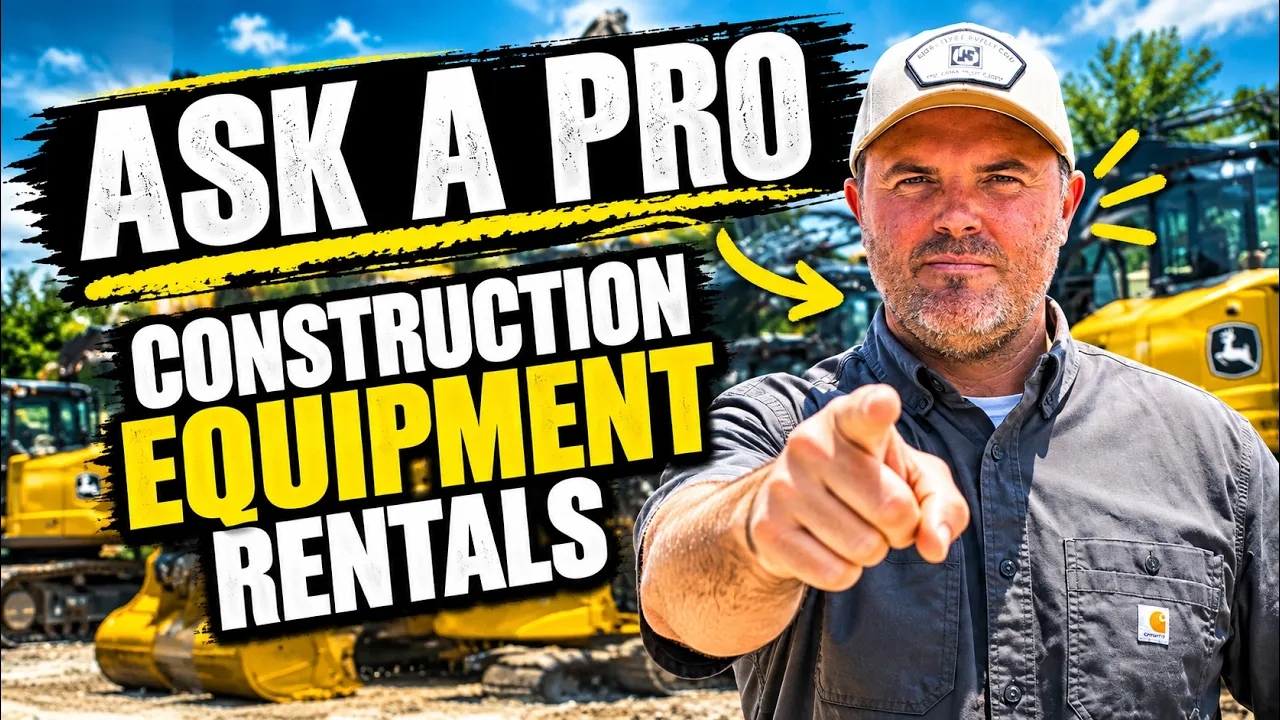
Go Back to List
- Blog Archive
- Construction Equipment Rental vs. Buying: How to Choose the Right Option for Your Next Job
- Restoring a 1958 John Deere 440: The Teamwork Behind a 100th Anniversary Project
- Meet the New John Deere Z550R, Z560R, and Z565R: Premium Comfort with FlexGlide TM Suspension
- Preventative Maintenance for Construction Equipment: The Key to More Uptime and Lower Operating Costs
- How to Use the Topcon LN-160 Layout Navigator for Faster, More Accurate Jobsite Layout
- James River Equipment Earns First John Deere Onyx Circle Award During Centennial Year
- Henderson Incorporated and James River Equipment: A Partnership Built on Trust
- James River Equipment Opens New Mills River Facility to Better Serve Western North Carolina
- MHI: From Renting Equipment to Running a Full Fleet Across Five States
- John Deere AutoTrac(TM) Vision 2.0: Smarter Spraying, Better Visibility, and Increased Productivity
- Standard 3-Point Hitch vs. John Deere iMatch vs. Telescoping Draft Links: Which Setup Is Best?
- John Deere Riding Mower Comparison: S100, S200, X300, X500, and X700 Series
- John Deere 1023E vs. 1025R: Which 1 Series Tractor Is Right for You?
- KRONE Vendro 560 Tedder: Features, Benefits, and Is It the Right Tedder for Your Farm?
- Custom John Deere 5120M Outlaw Tractor: Built for Steep Slopes, Rough Terrain, and Extreme Off-Road Work